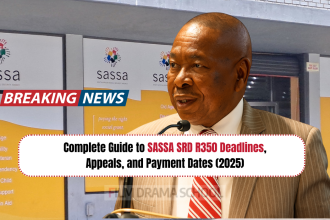
Hope Rises with R400, South Africa’s Enhanced SRD Grant Begins in June 2025. In June 2025, a significant change to South Africa’s Social Relief of Distress (SRD) grant has taken place. The South African Social Security Agency (SASSA) officially raised the SRD grant from R350 to R400 per month.
This increase is a response to the mounting financial challenges faced by millions of South Africans, particularly the unemployed. Although the R50 increase may seem modest, it represents a vital step in providing continued support to those most in need, showcasing the government’s renewed commitment to social welfare amid South Africa’s ongoing economic challenges.
Significance of the R400 SRD Grant
The SRD grant, initially launched during the COVID-19 pandemic, has served as a lifeline for South Africans without any form of income. With the economic landscape shifting and inflation eating away at the value of the original R350 payment, the increase to R400 marks the first adjustment in years. This increase is part of a broader strategy to alleviate financial pressure, reflecting the urgency to adjust welfare systems in response to South Africa’s evolving socio-economic conditions.
Since its inception, the SRD grant has been crucial in supporting those who have been left behind by traditional employment systems. However, as inflation increases, the real value of R350 has diminished, prompting calls for a higher amount that better reflects the cost of living. The increase to R400, though a small step, sends a clear signal that the government is listening to the needs of the country’s most vulnerable populations.
New Eligibility Criteria for the R400 Grant
Starting in June 2025, applicants seeking to benefit from the R400 SRD grant must meet specific eligibility criteria. These criteria are designed to ensure that the grant reaches those who need it most while also maintaining fairness in the system. The updated eligibility requirements include:
- Citizenship and Residency: Applicants must be South African citizens, permanent residents, or legally recognized refugees or asylum seekers.
- Age Limit: Applicants must be aged between 18 and 60 years.
- Income: To qualify, applicants must earn below R624 per month. This threshold ensures that the grant targets individuals and households who are struggling financially.
- No Concurrent Government Support: Applicants must not be receiving any other form of government support, such as unemployment insurance (UIF), National Student Financial Aid Scheme (NSFAS) bursaries, or existing SASSA grants.
This more targeted approach will help ensure that the funds are distributed more effectively to those who are genuinely in need.
How to Apply for the R400 SRD Grant
The application process for the SRD grant remains digital-first to streamline the process and avoid the delays associated with traditional paper applications. SASSA has made the application process more accessible by allowing applicants to apply through various digital platforms. These include:
- SASSA Official Website: Applicants can access the online application form on SASSA’s official website.
- SASSA WhatsApp Line: For added convenience, applicants can also apply through SASSA’s dedicated WhatsApp service.
- Mobile Application: SASSA’s mobile app allows for an easy and direct application process, further reducing administrative delays.
Before submitting their applications, applicants are advised to ensure that all their personal details are up-to-date. This includes confirming their identity number, banking information, and contact details. A smooth application process depends on the accuracy of these details, and it will help prevent delays in the grant’s processing.
SRD Grant Disbursement
To ensure an efficient and equitable distribution of the SRD grant, SASSA has introduced a phased payment system that will begin in June 2025. Payments will be processed weekly, starting on June 3rd and continuing through June 28th. This phased approach aims to avoid overloading the payment infrastructure, ensuring that recipients receive their funds without unnecessary delays.
The disbursement schedule is as follows:
- Week 1: Direct deposits via banks and Postbank.
- Week 2: Payments through retail outlets, including Shoprite, Boxer, and Checkers.
- Week 3: Mobile services such as CashSend will be used for disbursements.
- Week 4: Any pending cases or appeals will be processed, and beneficiaries will be notified via SMS when their funds are ready.
This system not only enhances efficiency but also offers flexibility in how recipients can receive their payments.
Economic and Social Impact of the R400 Grant
While the R50 increase may seem minor, its significance is profound. South Africa continues to face high levels of unemployment, particularly among the youth, and the R400 SRD grant provides essential support for those living below the poverty line. For many, this financial assistance represents a lifeline, enabling them to cover basic needs such as food and shelter.
The increase also comes at a time when inflation is squeezing household budgets, making it increasingly difficult for many to afford basic goods and services. By raising the SRD grant, the government is acknowledging these challenges and taking a step toward bridging the gap between the poor and the broader economy.
Furthermore, the increase aligns partially with civil society’s calls for a higher grant that would better reflect the food poverty threshold, which is set at R624 per month. This increase could also contribute to the momentum for the eventual implementation of a more permanent Basic Income Grant (BIG) in South Africa. The BIG would provide universal income support to all South Africans, but for now, the R400 SRD grant is an essential step in the right direction.
What to Do If Your SRD Grant Application is Rejected
For those who are not initially approved for the SRD grant, there is still an opportunity to appeal. If your application is rejected, you have 30 days from the rejection date to lodge an appeal. Common reasons for rejection include outdated income information, duplicate applications, or incorrect personal data.
SASSA has revamped its appeals platform to improve transparency and processing speed. This improvement means that applicants who were initially denied the grant will have a better chance of having their cases reviewed quickly and fairly. It is important to follow the appeal process correctly to ensure that deserving applicants are not excluded from receiving vital assistance.
Hope Amid Economic Challenges
The increase of the SRD grant to R400 is not just about a small financial boost; it is a signal of hope for millions of South Africans who rely on this income to make ends meet. In a country grappling with high levels of unemployment, rising costs of living, and the aftereffects of a global pandemic, every bit of financial relief counts.
The enhanced SRD grant is becoming an essential tool in South Africa’s broader efforts to fight poverty and inequality. With better eligibility management, a more efficient payment system, and an appeals process that aims to eliminate barriers to assistance, the R400 SRD grant is an important part of South Africa’s social welfare landscape.
As the country moves toward addressing the challenges of poverty and unemployment, initiatives like the SRD grant are crucial in creating a social safety net for vulnerable communities. The hope that rises with the R400 grant is more than just a number – it represents a commitment to the well-being of South Africa’s most vulnerable citizens.